Once, sailors reaching a new shore held their breath, face to face with something as large as their capacity for wonder.

We think it is happening again. We are building the next new world, and the minds that will explore it with us.

01The worldsThree areas

Data from the tools where 3D work actually happens.

Game engines, Blender and 3D production. For each one we provide working projects, recorded expert sessions and gradeable tasks. Use our standard datasets or have one built to your spec.

Worlds
01 / 03

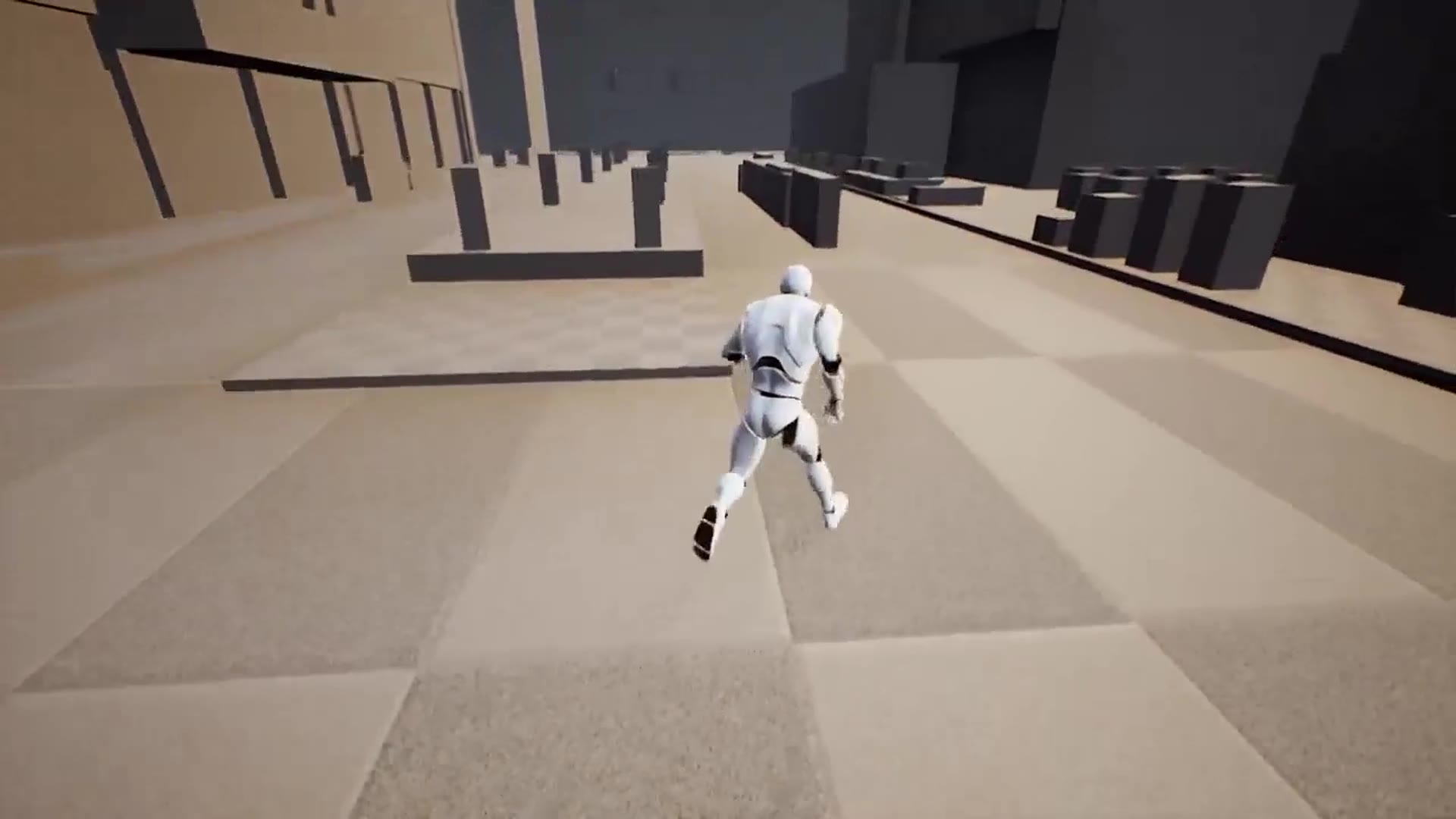
Game worlds

Worlds that run, and the people who know how to play them.

Dataset types
  • aGame repositoriesComplete Unity (C#) and Unreal Engine 5 (C++) projects that compile and run, with the assets they need.
  • bGameplay capture & action traceScreen, keyboard and mouse, timeline and task events, captured together: what was seen, what was done, what happened next.
  • cMultimodal game stateFrames, depth, object state, events and camera parameters, drawn from a running engine and aligned to every action.
  • dAgent tasks & RL environmentsTasks built on running games and their toolchains, from play and strategy to editing, engineering and testing, each with a starting state, actions, feedback, an end condition and a reward or verifier.
Request samples
02 / 03

Blender & 3D tools

The craft of making, written down one step at a time.

Dataset types
  • aCode & agent tracesTasks completed through Blender's Python API: the scripts, and the full path of observation, call, feedback and correction that led to the final .blend.
  • bGUI & computer-use tracesThe same craft through the interface: screen recordings, step captures, mouse and keyboard, timestamps and step-level reasoning. Mixed GUI-and-code work is labelled action by action.
  • cTasks & RL environmentsBlender workflows as environments: modeling, layout, materials, animation, camera and rendering, inspection and repair, each with a task definition, a reward or verifier, and a containerised runtime.
Request samples
03 / 03

Space, form & motion

The shape of the physical world, in a form machines can read.

Dataset types
  • a3D assetsCharacters, figures, props, vehicles, furniture, industrial parts and CAD, organised by geometry, topology, material and use.
  • b3D scenesWhole spaces, not single objects: editable scene files, materials, instance and semantic labels, camera paths and walkthrough video.
  • cAnimationPeople, animals, machines and robots, moving objects and multi-character interaction, with editable rigs, keyframes and actions.
  • dVideo-to-3D reconstructionReference video rebuilt as an editable 3D blockout that keeps position, scale, orientation, occlusion and timing intact.
  • eProcedural scenes & simulationScenes written in code and run as physics. A ramp, a box and its parameters in; scene code, a runnable project, the video and every position and velocity out.
  • fCode-to-videoVideo made by code, not by a video model: layout, motion, camera and sound, all traceable to the instructions that made them.
Request samples
02What we buildFrom delivered samples

Real tools. Real graders. Every step on the record.

Three views of what we deliver for agents that work in 3D, drawn from real samples. The full versions come in the sample pack.
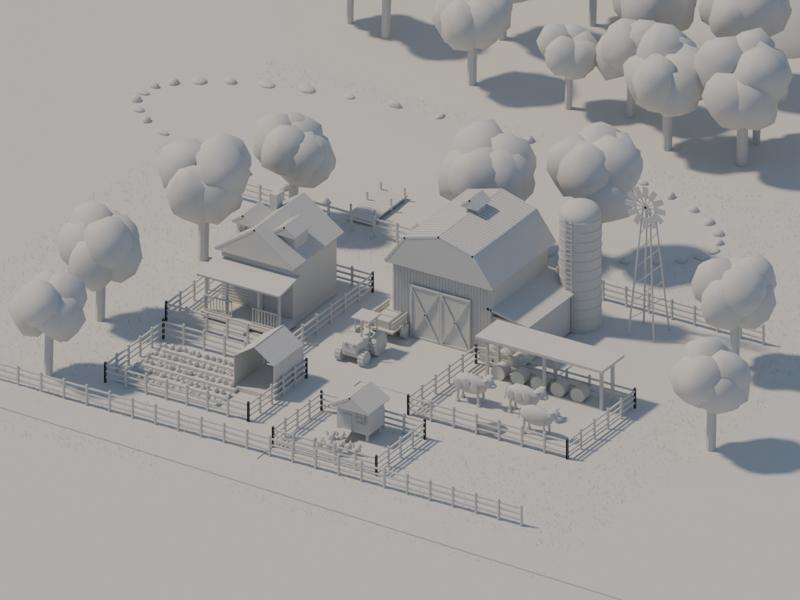
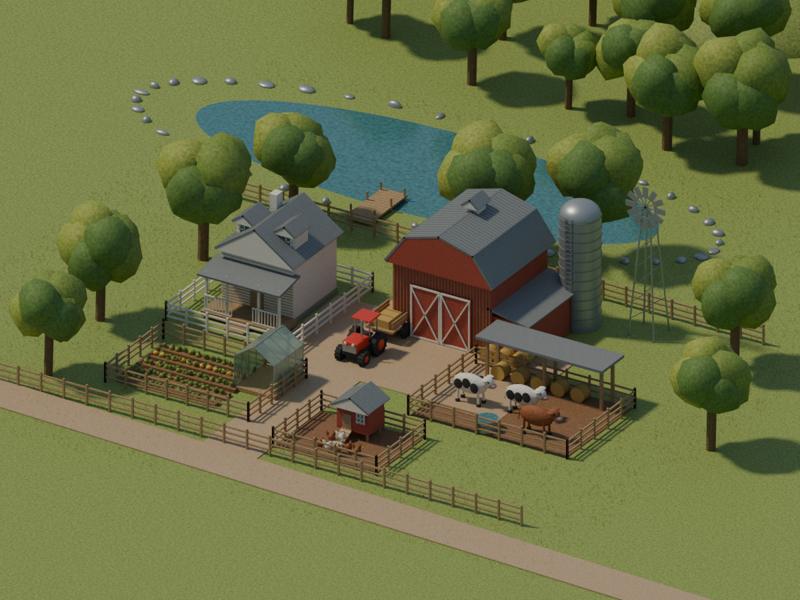
The farm scene rendered as untextured geometry Rendered farm scene with barn, silo, windmill, house, greenhouse, garden, livestock and lake RenderedGeometry only
Example scene from a delivered taskdrag to compare

Blender tasks a grader can hold an agent to.

The agent receives a brief and a starting project, works in Blender and submits the saved file. The grader reopens that file itself. Every part of the scene has to be real, editable geometry.
Each task ships with
  • Instruction and starting projectFresh inputs for every episode
  • Pinned Blender runtimeContainerised, non-root, no network
  • Host-side graderReopens the submission in an isolated worker
  • Anchored rubricEach criterion names the evidence it needs
  • Adversarial tests and validation reportShortcuts tested before delivery
  • Harbor-compatible exportDrops into an existing rollout stack
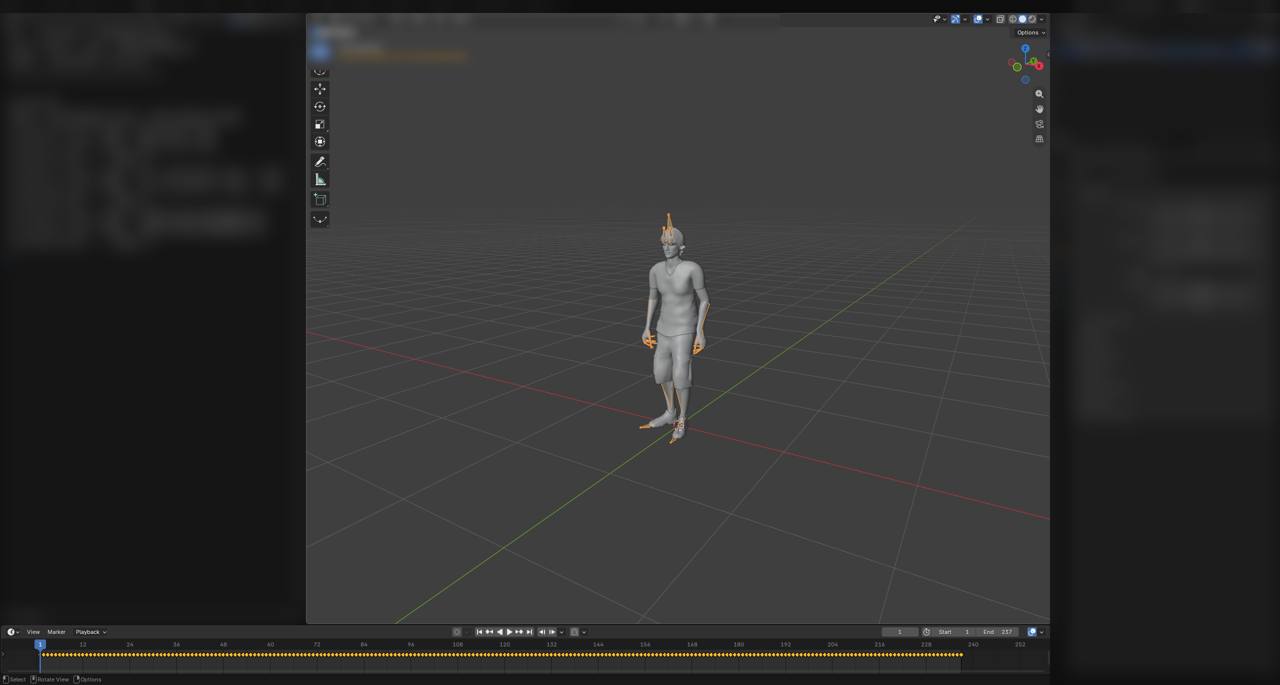
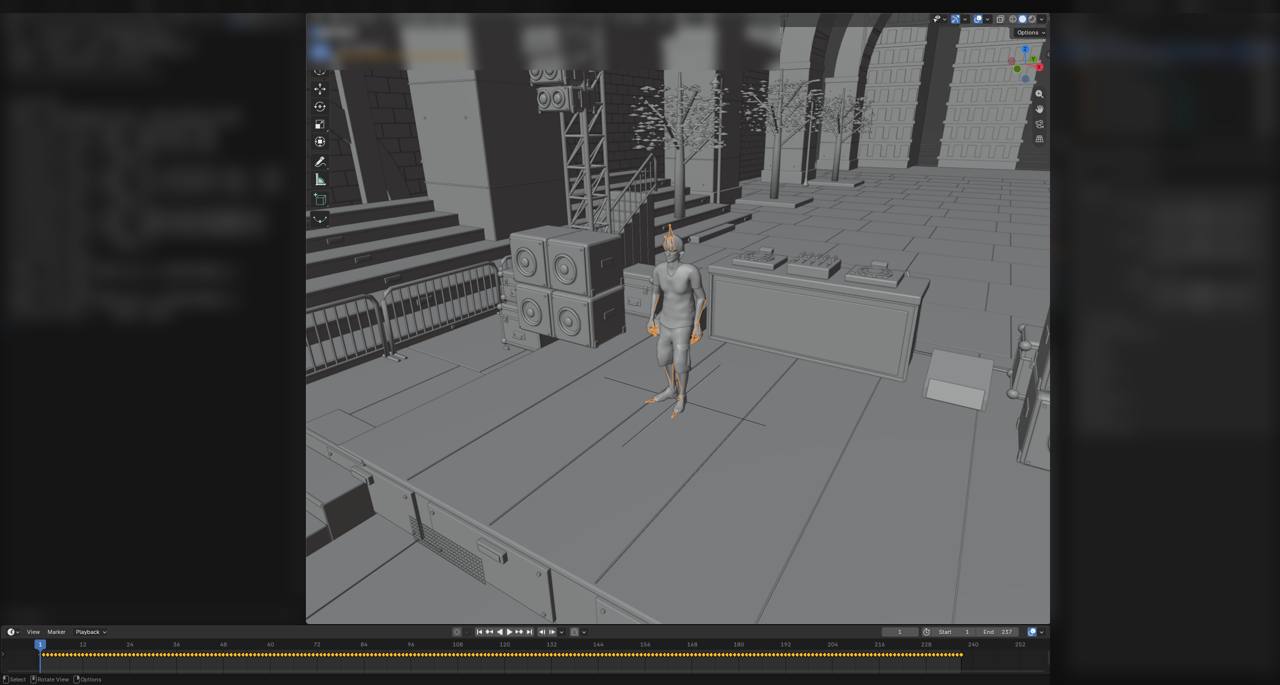
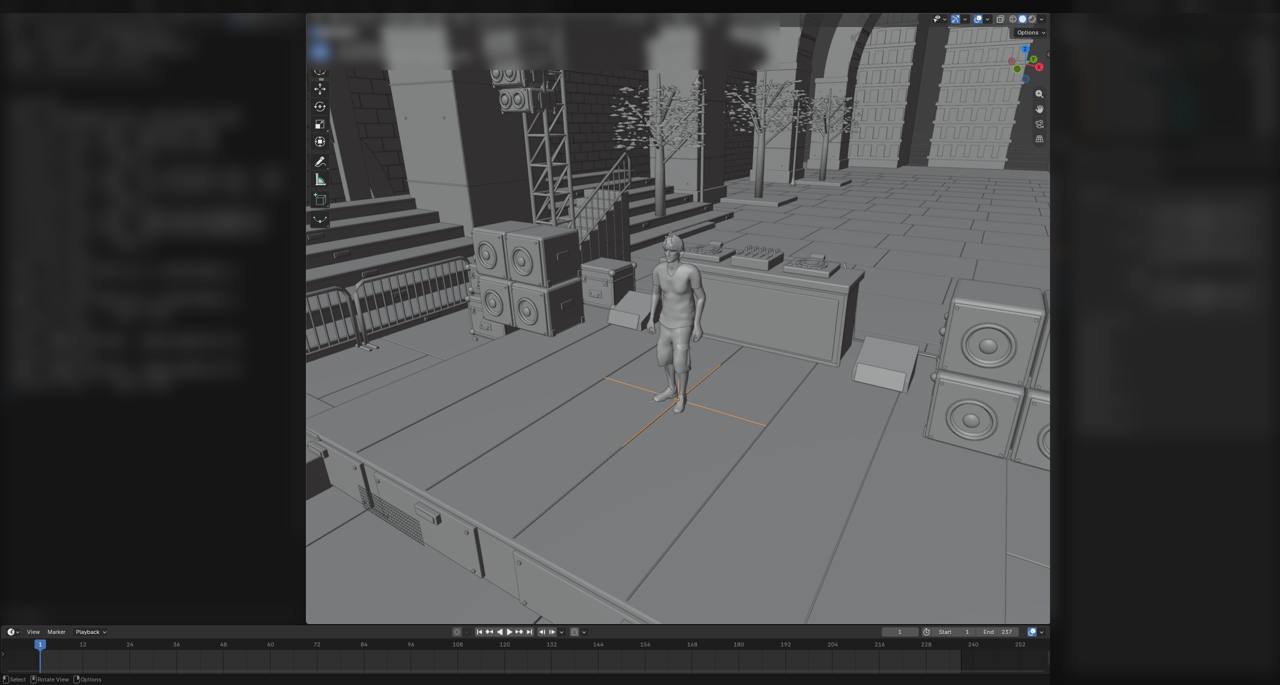
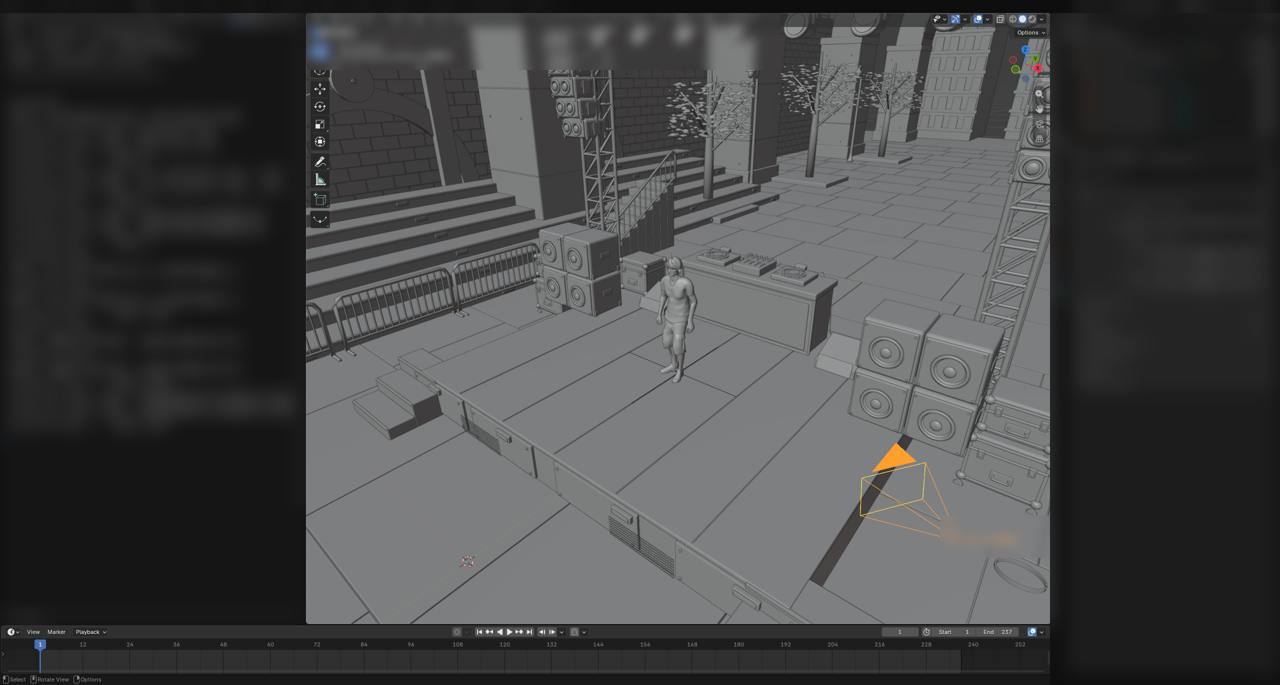
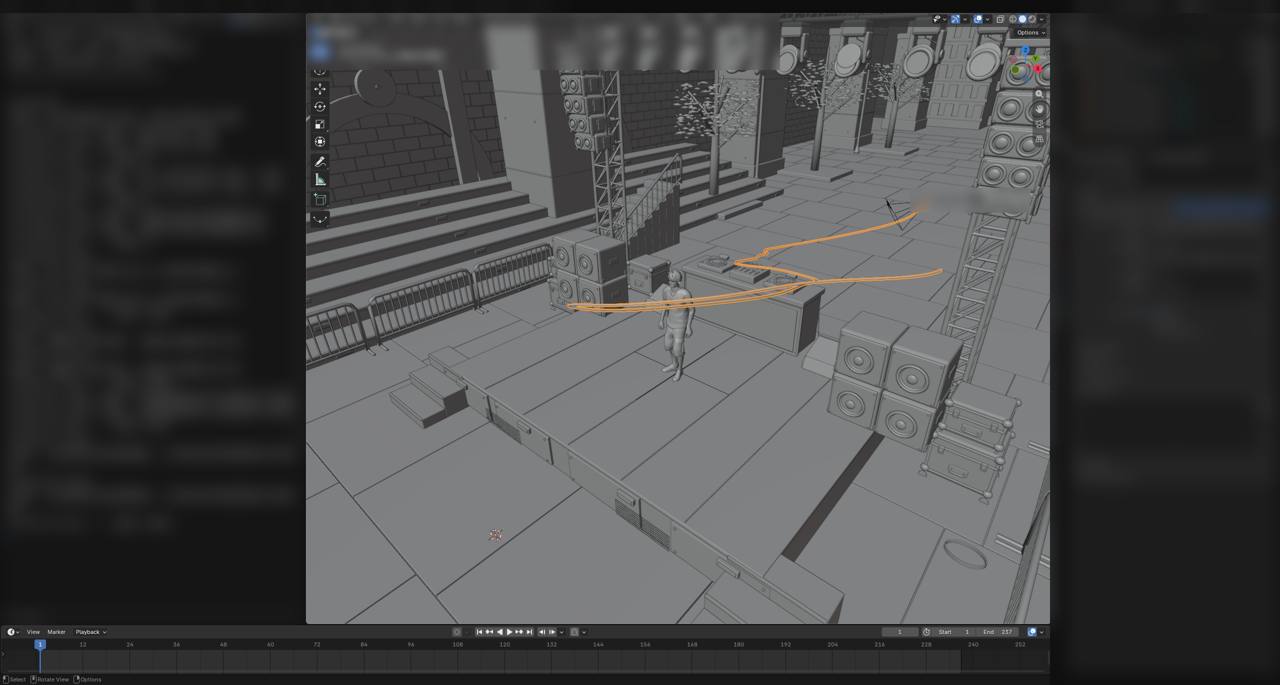
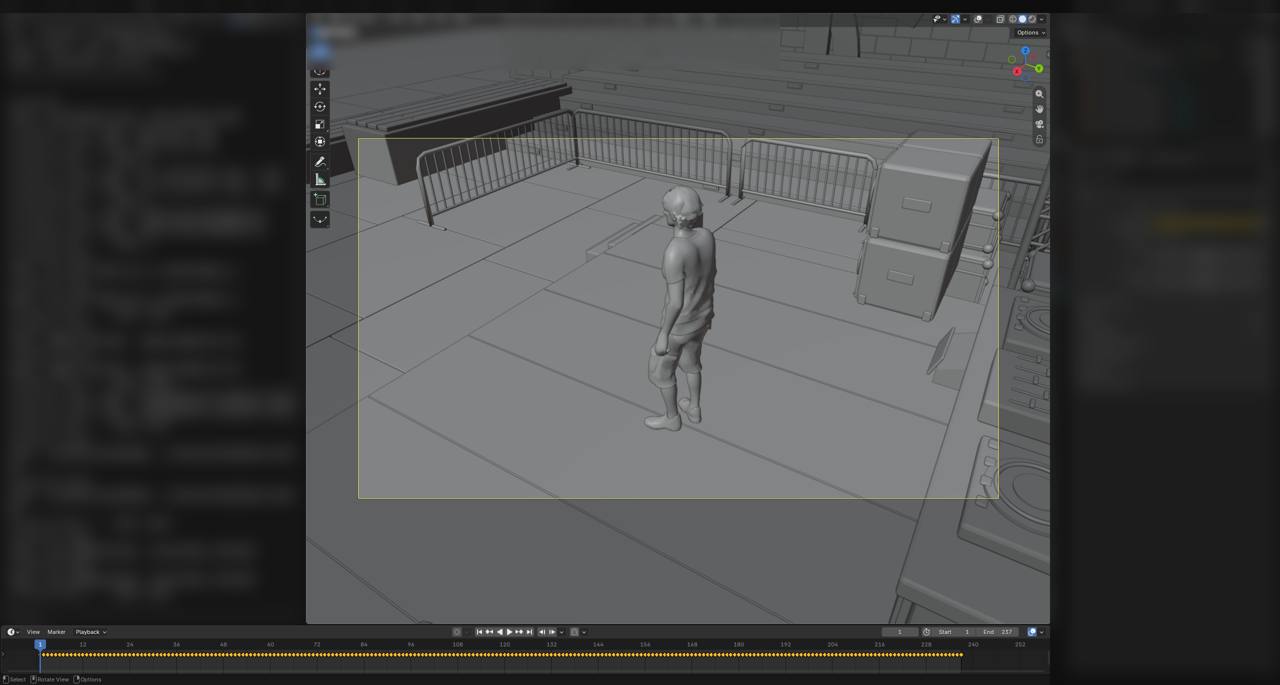
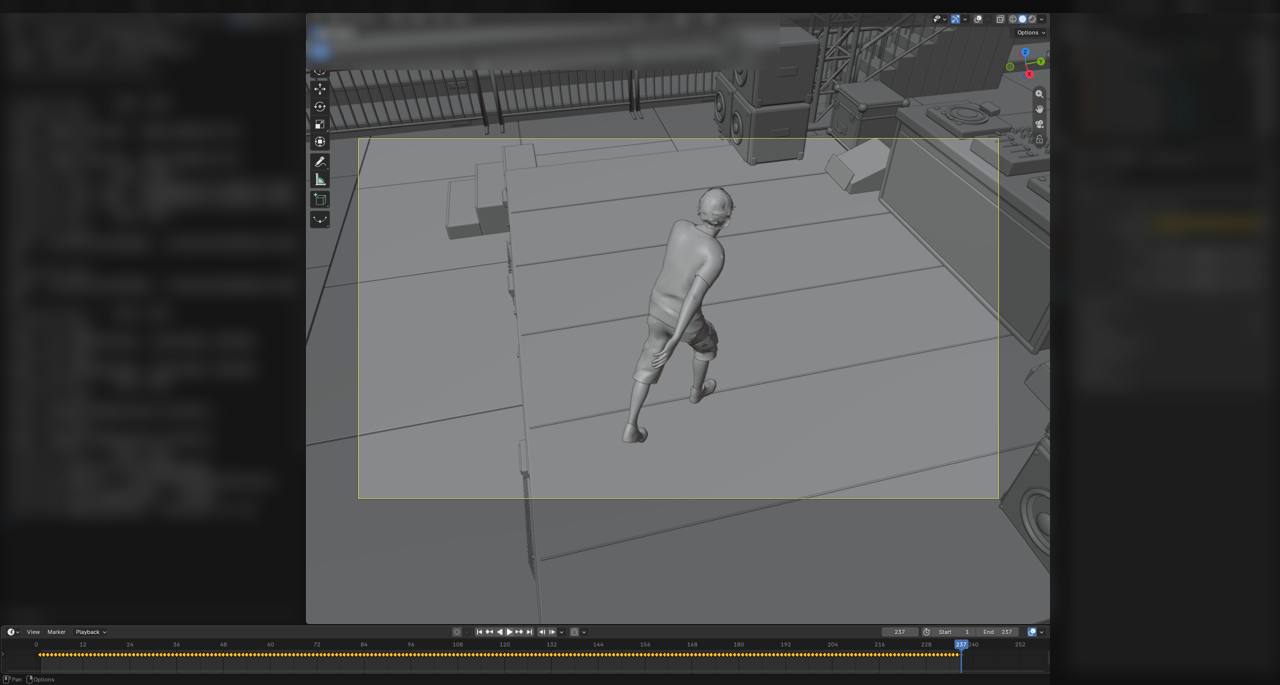
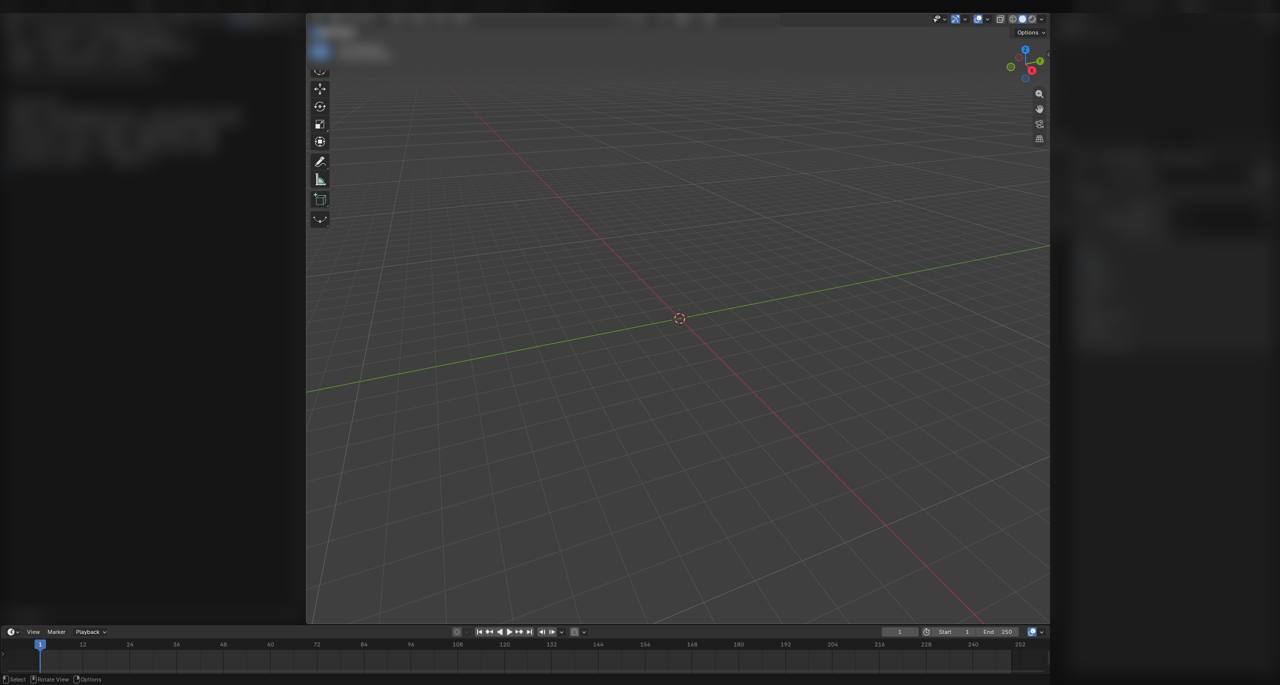
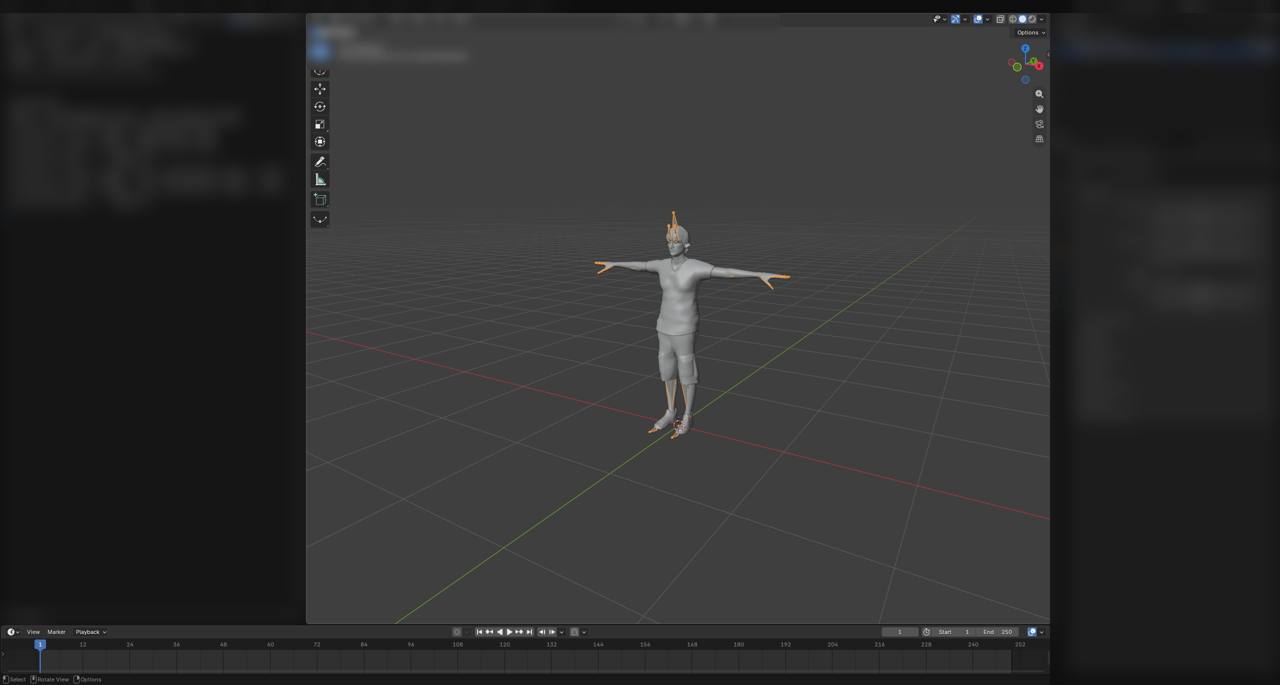
Blender window: New projectBlender window: Import the characterBlender window: Bind the motionBlender window: Load the stage, ground the figureBlender window: Place the figureBlender window: Set up the cameraBlender window: Plan the camera moveBlender window: Check framing through the cameraBlender window: Play back in real timeBlender window: Save the editable project 01 · New project redacted redacted
Recorded session · New project00:33

Complete sessions, not clips.

A complete Blender workflow from the welcome screen to the saved file, recorded in one take. Each action is logged against the video, so the recording, the log and the final project can be checked against each other.

Each session ships with
  • Continuous screen recordingUncut, real speed, full window
  • Ordered action logWall-clock and monotonic timestamps
  • Scene state before and after each actionObjects, selection, frame, camera
  • Input eventsWindow and screen coordinates
  • The saved, editable project
  • Frame-by-frame check of the resultRun in a separate process after saving

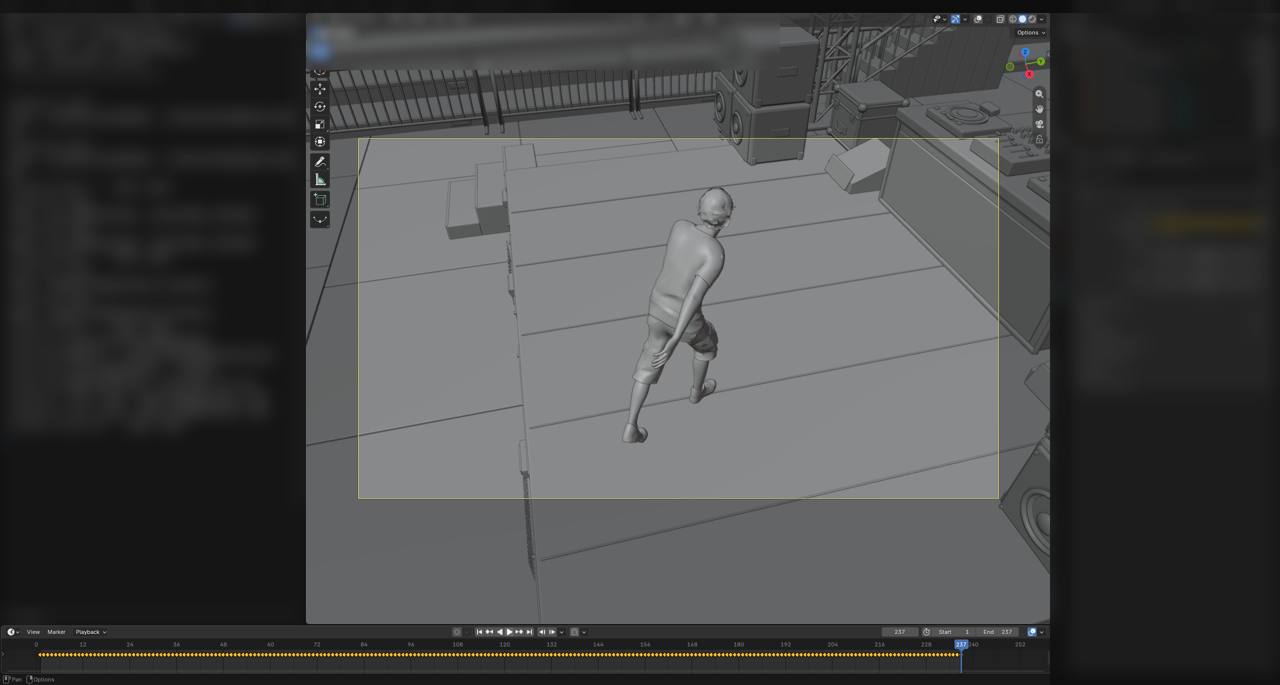
The session's resultPlayed back through the camera the session set up.

Every episode, scored

A clean pass earns full reward, partial work earns partial credit, and a faked scene earns nothing. The verdict comes from the saved file, reopened where the agent can't reach it.

Graders that can't be gamed

Every environment is attacked before it ships. The shortcuts an agent might try are tested and closed, so reward means the work was done.

State on every step

Scene state before and after each action, input events with screen coordinates, and the saved project, checked frame by frame in a separate process.

Also built to order: game capture and RL · video-to-3D · procedural simulation · code-to-video

03Who we serveFour teams

For teams training agents to work in 3D tools and games.

Model and agent teams use our data to teach and test work that is hard to collect in-house: modeling and scene building in Blender, playing and building in game engines, and long sessions in real desktop tools.

Post-training

Blender bpy code traces and GUI sessions as SFT data, with every step from the brief to the saved .blend.

RL & agent training

Containerised Blender and game tasks with host-side graders, so agents can be trained against a reward they can't fake.

Evaluation

Graded 3D and game tasks with adversarial checks, to see whether an agent really built the scene or only made it look right.

Data procurement

Datasets delivered with a sample pack, technical spec, quality report and rights memo, so legal and procurement can review them.

04Who builds thisSpecified, built, attacked, reviewed

Researchers

Our PhD research team, from computer graphics, vision and simulation, designs every task and writes the grader that scores it.

Practitioners

Our 3D artists, Blender developers and engine programmers work in these tools every day, and we hold every task to the standard of their own professional work.

Method

We specify every task with a researcher, build it with a practitioner, attack it before it ships, and have a second specialist review it.

05How we workFive steps

From a first sample to a living dataset.

  1. 01

    Request samples

    Tell us what you're teaching.

  2. 02

    Evaluate

    Your team tests the sample pack on your own models.

  3. 03

    Scope

    Taxonomy, volume and terms, agreed together.

  4. 04

    Pilot

    A first delivery, measured against acceptance criteria.

  5. 05

    Scale

    Full delivery, then new worlds as your models grow.

06Sample packReply by email

Show us what you're teaching. We'll show you a world to teach it in.

Tell us about the model and the capability you're after. We'll send a matched sample pack and dataset overview.

Prefer email? team@nexlin.ai

Worlds of interest

Request received

Thank you.

We'll reply within 2 business days with a sample pack chosen for your work.